
We Need Both Kinds of Digital Ministry
If you’re scrolling through TikTok or Reels or Shorts (or all three?!) and your algorithm has you at all cornered as the progressive theology, spiritual, deconstruction type, then your feed will likely be filled with Dan McClellan, Lizzy Mcmanus-Dail, Gerlyn Henry, Kristian A. Smith, Brandan Robertson, and more. And while I will gladly tap and like and comment and share all the incredible content from these amazing pastors and scholars, I have come to realize that this popular side of Digital Ministry cannot be the totality of Digital Ministry.
While public theology in digital spaces can be incredibly attractive (and necessary for so many people), what is even more essential is pastoral ministry in digital spaces. I won’t diminish the impact of a powerful sermon, be it 30 minutes or 30 seconds, but the intentional care and spiritual formation that can happen in a Bible study or coffee hour might be the Digital Ministry that our churches really need.

It’s easy to think that Digital Ministry is just posting videos online, as if spiritual formation was just a matter of a provocative and inspirational presentation. This is what we see every time we open our phones; this is the model that seems to be the most popular; this is the model that anyone can try and only a handful can really “succeed” at (so long as we define success by the number of views, likes, and followers). But Digital Ministry is just ministry done in digital spaces, and while preaching and public theology has always been a part of ministry, it is not the totality of ministry. We need deacons to distribute food, teachers to lead a class, and companions to walk with us on the road as we discover the divinity within the stranger.
Yes, we need public theology. But we also need pastoral ministry. Especially in digital spaces.
So, what exactly does pastoral ministry in digital spaces look like?
Here are three examples that I experience every week:
Virtual Coffee Hour
Every Sunday after the postlude two dozen or so congregants from across the country log on to Zoom to connect with one another, catch up on our weeks, reflect on the service, and talk with the preacher. It’s as simple as it sounds: people connecting with people, regardless of geographic distance. Many are regulars, going so far as to let people know when they will be missing a week just in case the community might be worried about their absence. And there are always new names and faces joining, experience church online to be more than a show that you passively watch but an active and engaging community of real people with real questions and opinions. And Virtual Coffee Hour becomes the weekly space for us all to connect and share. As the regular host of this space, my pastoral care radar is always on, listening for the comments people make that might lead to an email or phone call to follow up, picking up threads from week to week to see what is woven together through our conversations, and pointing out the ways that our faith continues to move from our mind to our body and out into the world that our lives inhabit. This simple space is more than just a few groups of friends drinking stale coffee in the social hall while they make plans for Sunday brunch. This is a thriving community that cares and supports one another and all it takes is an hour on Zoom every Sunday afternoon.
Midweek Bible Study
Every Wednesday afternoon I spend thirty minutes with people from all around the world for what we call, “an appetizer of a Bible study” – a half hour dive into a few chapters from whatever book of the Bible we happen to be working our way through. I designed this class with the content in mind – share a bit about the context of the chapters and watch the Bible in a Minute videos for each one – but it quickly evolved to center around the people who gather. The most sacred moments are the first few minutes as people are logging on and greeting one another, connections being made across timezones and continents. Yes, the content is an essential campfire around which we gather, but it is the reflections and insights that people bring after hearing an overview and background of each chapter that make this community thrive. People return not only to learn something new but to share what they are learning along the way.
Communion on Zoom
On the first Sunday of the month we celebrate communion. For the congregants sitting in the pews they will be invited forward to tear off a piece of bread and dip it in a cup of juice, hearing a few words and blessing from the clergy and congregants presiding. But what do online congregants experience during this time? It’s one thing to go to church, it’s another thing to peek in through the window and watch church happen. For the past few years we have invited online congregants to join a Zoom call during communion, turning down the volume on the Sunday morning worship livestream and sharing some of the most sacred Zoom call that I experience each month. People bring whatever elements they have in their space, knowing that what they will eat and drink is holy, set apart for this specific moment together. We share in the chat all the items that we are bringing to this divine potluck. We are reminded that even when we are by ourselves, we are not alone. After a few short words to center ourselves we take and eat, responding together, “Thanks be to God for the bread of life.” We drink – “Thanks be to God for the cup of blessing.” And after another short prayer we look one another in the eye, finding ourselves at a table that spans thousands of miles, and return to the worship service livestream. It often takes seven minutes, but it offers a connection that will endure for weeks, an embodied reminder that church is not about watching it happen but experiencing it together.
These are just three examples of what pastoral ministry in digital spaces might look like, focusing less on the viral video and more on the authentic connection. Spiritual formation is not judged by the volume of the applause following a sermon but by the long obedience in the same direction, journeying together, week after week after week. It’s about consistency, cultivating a community that keeps showing up, and being intentional about the ways we connect in the spaces we share.
As the title of this article already declared, we need both kinds of Digital Ministry. We need the public theology in digital spaces to encourage us when Christianity feels overrun with misogyny, homophobia, and White Christian Nationalism. But we also need the community to support us along the way, the less flashy and more essential spaces for people to gather with people, finding our way on this journey, one step (or click) at a time.
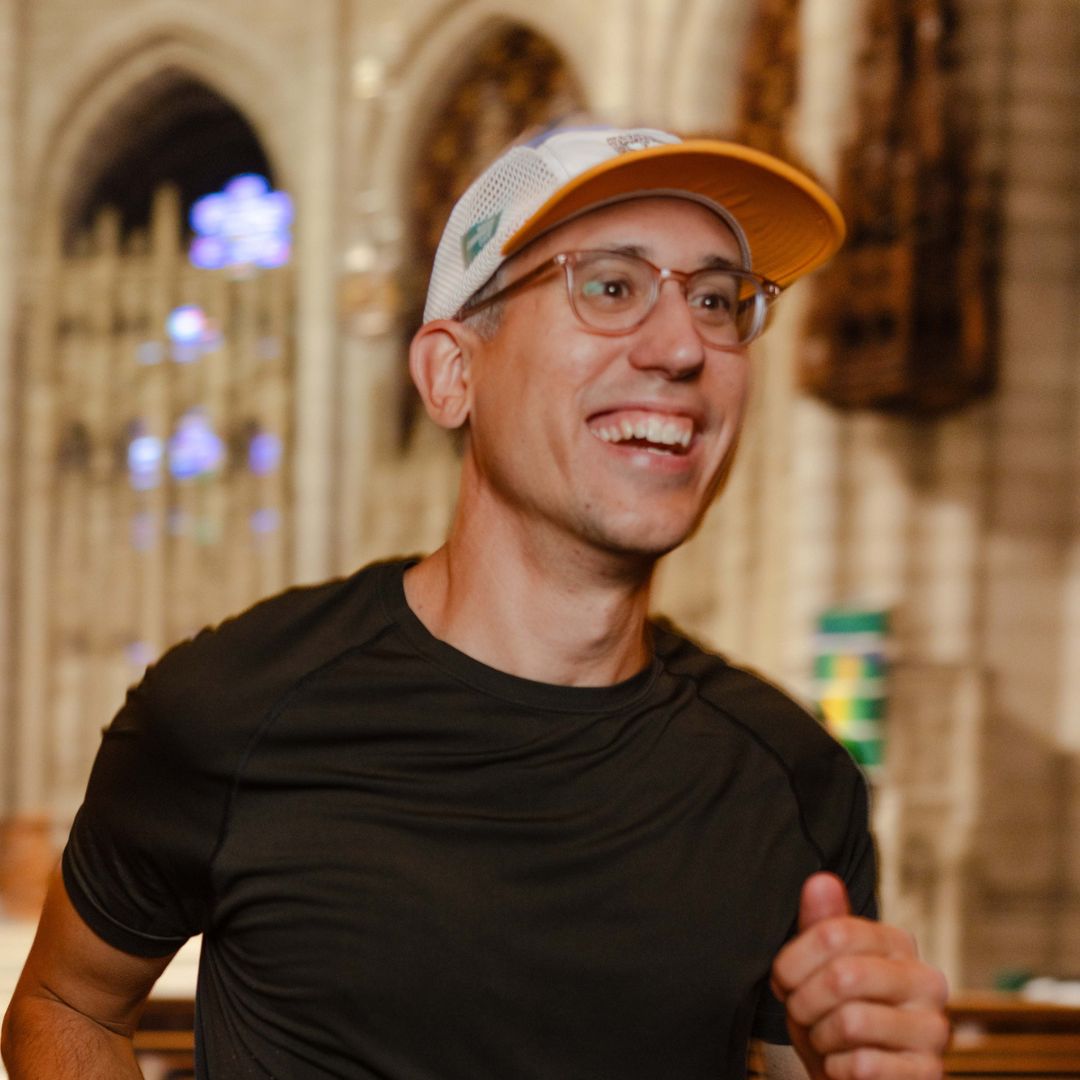
Rev. Jim Keat is the Minister of Digital Worship & Education at The Riverside Church in New York City where he creates original online content and cultivates a growing online community. He is also the Director of Online Innovation at the Convergence Network and a Digital Consultant to various progressive faith agencies and organizations. He is the producer of original media projects from The Riverside Church like Bible in a Minute, The Word Made Fresh, Sermon on the Runs, Be Still and Go, and more. He creates regular resources to equip churches and faith leaders in their digital ministry, empowering progressive faith leaders to use the internet well and use it for good.